Build in public means sharing the work on a product while you're doing it, instead of only announcing it when it's done. The code, the numbers, the decisions, and the things that went wrong. People follow along, some become users, and you get feedback before you've spent months on the wrong thing.
I build my side products this way, mostly without calling it that. Here is what building in public looks like for a developer, what I actually publish, and the line I draw.
What building in public means
The idea is simple: your audience sees the product take shape, not just the launch. In practice that's some mix of:
- Open code. The repo is public, so anyone can see how it's built and what changed this week.
- Public numbers. Users, downloads, stars, ratings, and sometimes revenue.
- Decisions and reasoning. Why you picked one approach over another, written down where others can read it.
- Mistakes. What broke, and what you did about it.
You don't need all four. Building in public is a range, from "my code is on GitHub" to "here is my revenue dashboard, live".
What I share
The code, with documentation
Most of my products are open source: 35 public repositories of my own. Each project that people use has its own docs site under projects.halit.org, so the code comes with an explanation of what it does and how to run it. The licences are in each repo: MIT for libraries like nest-cloudflare-turnstile, AGPL-3.0 for the girici web proxy.
Numbers anyone can check
I prefer numbers that someone else can verify over numbers I report myself:
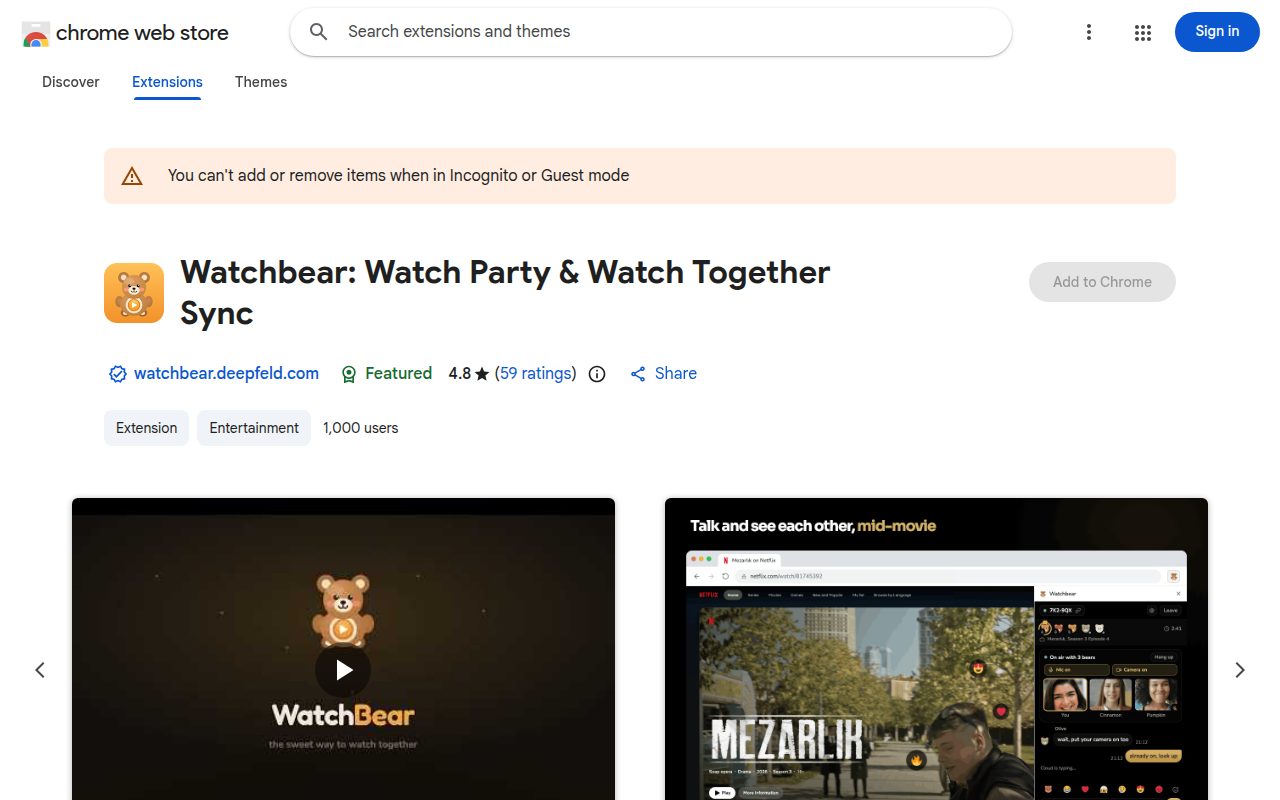
- Watchbear's Chrome Web Store page shows a Featured badge, 1,000 users and 4.8 from 59 ratings.
- npm shows that nest-cloudflare-turnstile was downloaded 5,159 times in the last month, and nuxt-telegram-auth 1,224 times.
These are the numbers my portfolio and hire page point to, and anyone can open the source to check them.
How things are built, with the real config
Posts on this blog show the setup I actually run, not a cleaned-up example. The Nuxt SEO post uses this site's own config, the Claude Code server post uses the commands I type every day, and the Turnstile post walks through my own NestJS module with real screenshots.
Data I worked out myself
When I wrote about developer salaries in Turkey, I computed the medians from the raw data of a 5,002-person survey rather than quoting someone's summary, and said where the data came from. If you share numbers, share where they came from.
Mistakes
This site once had a service worker that served a cached home page for routes it hadn't cached, so returning visitors could land on a blank post after a deploy. The fix was to make it unregister itself, and the config says why. And when a paid GitHub project listed me as a contributor with my photo and name, though I'd never touched it, I wrote it up in a post with the proof.
What I keep private
Building in public doesn't mean publishing everything. My line:
- Anything about users. Watchbear has usage dashboards, and they stay private. Aggregate public numbers like store users are fine. Anything closer to individual people isn't.
- Code that holds a product's edge or its secrets. Watchbear's landing page and blog source are public on GitHub, while the extension and server code are in a private repo.
- Plans that might change. I talk about what's live, not what might ship. A roadmap you publish turns into promises.
- Client work. Work I do for others belongs to them. My public examples are my own products.
Why build in public as a developer?
- Proof beats claims. A recruiter or client can open the repo, the store page or the npm stats. That's stronger than a line on a CV.
- Feedback comes earlier. Issues and store reviews tell you what's broken before you've built more on top of it.
- Writing it down makes you think it through. Explaining a decision in public is a good test of whether it was a good one.
- Search engines find it. Posts and docs sites bring in people who have the problem your product solves.
The downsides are real too: it takes time, it invites copying, and numbers that go down are public too. For open source developer tools I think it's worth it. For a product whose edge is a secret, share less.
How to start building in public
- Put your next side project in a public repo from the first commit, with a README that says what it's for.
- Give it a page people can open: a docs site, a demo, or a store listing.
- Write one post when it works, with the real code and real numbers, however small.
- Link it from your portfolio and your GitHub profile.
- Keep going when the numbers are small. Mine started at zero too.
If you'd like a developer who works in the open to build something with you, start at my hire page.
FAQ
What does build in public mean?
Sharing the progress of a product while you build it: code, numbers, decisions and mistakes, instead of only announcing the finished thing.
Do I have to share revenue to build in public?
No. Building in public is a range. Open code and public usage numbers already count. Share what you're comfortable with and what doesn't expose your users.
Is building in public good for developers looking for work?
It gives employers and clients something to check: a repo, a live product, a store rating. That tends to say more than a list of skills.
Won't people copy my product?
Some might. For open source projects that's partly the point. If the product's edge is something secret, keep that part private and share the rest.